
Executive Summary
Are your fulfillment systems costing you more than you realize? Most businesses using multiple disconnected systems for order management, inventory tracking, and shipping face hidden expenses that can reduce profits by up to 30%. This comprehensive guide reveals the true cost of fragmented fulfillment operations and provides actionable strategies to optimize your processes for maximum ROI.
The Multi-System Fulfillment Challenge
In today’s fast-paced e-commerce environment, many businesses have accumulated a patchwork of fulfillment tools over time. While each system may excel in its specific function, the lack of integration creates a web of inefficiencies that drain resources and limit growth potential.
Common Multi-System Scenarios:
- Order Management: Shopify, WooCommerce, or Amazon
- Inventory Tracking: Separate spreadsheets or standalone systems
- Shipping Solutions: FedEx, UPS, or DHL platforms
- Accounting: QuickBooks or other financial software
- Customer Service: Zendesk or similar platforms

The True Costs of Multi-System Complexity
1Time Hemorrhaging Across Platforms
Impact: Staff spend 2-4 hours daily switching between systems
- Manual data entry between platforms
- System login/logout cycles
- Learning curve for multiple interfaces
- Troubleshooting integration failures
Annual Cost: $15,000-$30,000 per employee in lost productivity
2Data Synchronization Delays
Critical Issues:
- Inventory discrepancies leading to overselling
- Order status confusion causing customer complaints
- Financial reporting inaccuracies
- Delayed decision-making due to outdated information
Business Impact: 15-25% increase in customer service tickets
3Duplicate Work and Human Error
Common Scenarios:
- Re-entering order information across systems
- Manual inventory updates in multiple locations
- Double-checking data consistency
- Correcting synchronization errors
Error Rate: Studies show 23% higher error rates in multi-system environments
4Visibility Blindspots
Missing Insights:
- Real-time inventory levels across all channels
- Complete customer order history
- Accurate profit margins per product
- Performance metrics across fulfillment stages
5Scaling Roadblocks
Growth Limitations:
- System integration complexity increases exponentially
- Training costs multiply with each new platform
- Data migration challenges during upgrades
- Vendor dependency risks
Why Unified Fulfillment is the Strategic Solution
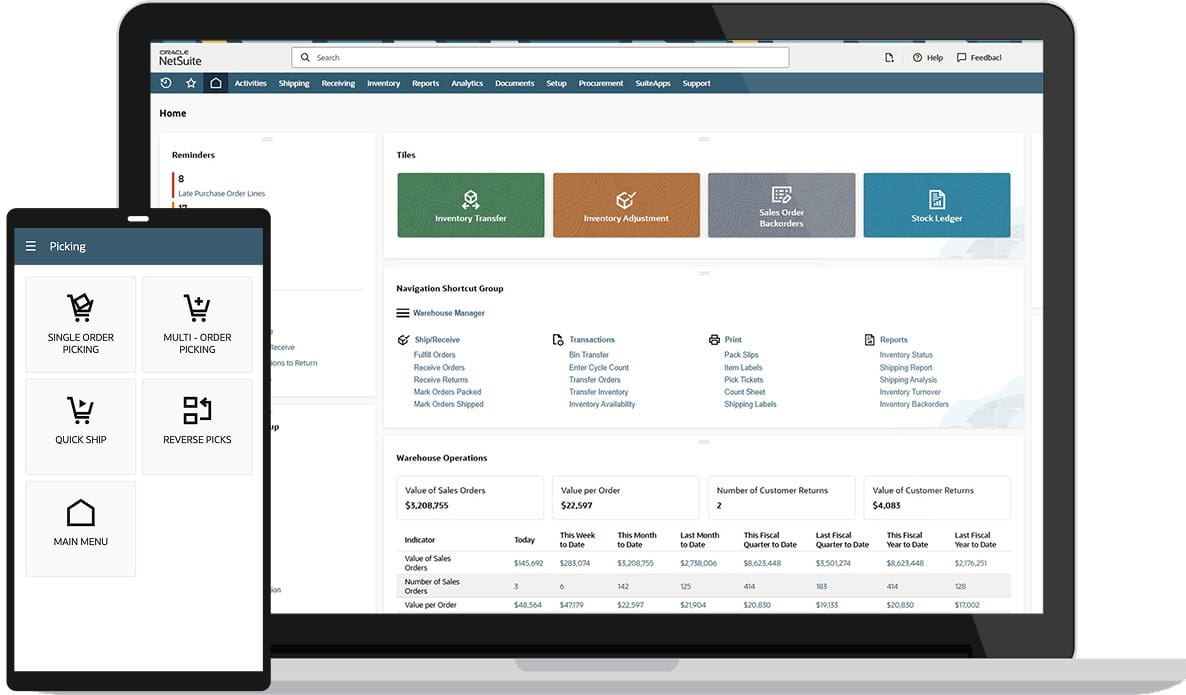
NetSuite: The Integrated Advantage
Centralized Operations:
- Single platform for orders, inventory, shipping, and accounting
- Real-time data synchronization across all functions
- Unified customer view from inquiry to delivery
- Automated workflow orchestration
Key Benefits:
Operational Efficiency
- 40-60% reduction in manual data entry
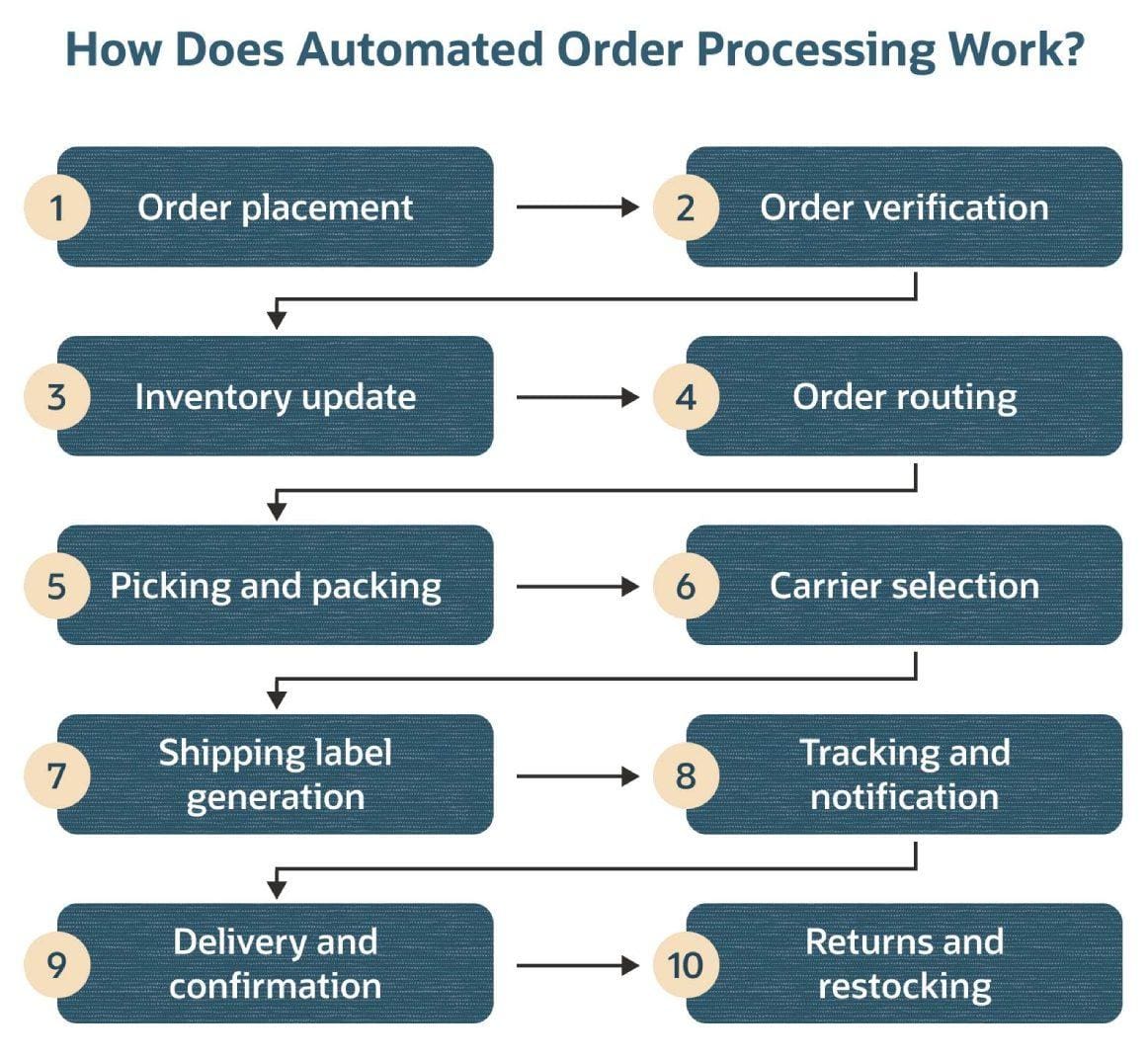
- Automated order routing and fulfillment workflows
- Real-time inventory management across multiple locations
- Integrated shipping with major carriers
Modern businesses are discovering that parcel automation within NetSuite can eliminate the complexity of managing multiple shipping platforms while providing real-time visibility into every shipment.
Enhanced Visibility
- 360-degree dashboards showing KPIs in real-time
- Predictive analytics for demand forecasting
- Cost center tracking for precise profit analysis
- Customer lifecycle insights for better service
Customization Flexibility
- Workflow automation tailored to your processes
- Custom fields and forms for unique requirements
- Role-based permissions for security and efficiency
- API connectivity for specialized integrations
Advanced features like dynamic packing optimize box selection and reduce DIM weight charges, while freight automation handles complex multi-carton and palletized shipments seamlessly.
The ROI of Streamlined Fulfillment
Quantifiable Benefits
| Metric | Improvement | Annual Value* |
|---|---|---|
| Order Processing Speed | 50-70% faster | $75,000-$150,000 |
| Error Reduction | 65-80% fewer mistakes | $25,000-$50,000 |
| Staff Productivity | 35-45% efficiency gain | $50,000-$100,000 |
| Inventory Accuracy | 90-98% precision | $30,000-$75,000 |
| Reporting Speed | 80-90% faster insights | $15,000-$30,000 |
*Based on businesses with $5M-$20M annual revenue
Strategic Advantages
- ✓Faster Time-to-Market: Launch new products 40% quicker
- ✓Improved Customer Satisfaction: 25-35% reduction in service tickets
- ✓Better Cash Flow: Real-time financial visibility improves decision-making
- ✓Scalability: Support 300-500% business growth without system overhaul
- ✓Compliance: Automated audit trails and regulatory reporting
Implementation Strategy: Avoiding the Multi-System Trap
Phase 1: Assessment & Planning (Weeks 1-2)
Audit Current Systems:
- Map all existing tools and integrations
- Identify data flow bottlenecks
- Calculate current system costs (licenses, maintenance, labor)
- Document pain points and inefficiencies
ROI Analysis:
- Project implementation costs
- Estimate efficiency gains and cost savings
- Create timeline for payback period
- Define success metrics and KPIs
Phase 2: System Selection (Weeks 3-4)
Evaluation Criteria:
- Integration capabilities with existing tools
- Scalability for future growth
- Industry-specific functionality
- Vendor support and training resources
- Total cost of ownership
Phase 3: Migration & Integration (Weeks 5-12)
Best Practices:
- Parallel running during transition period
- Data validation at every migration step
- Staff training with hands-on workshops
- Gradual rollout by department or function
- Performance monitoring with regular check-ins
Phase 4: Optimization (Ongoing)
Continuous Improvement:
- Regular workflow analysis and refinement
- Advanced feature adoption as team expertise grows
- Performance benchmarking against industry standards
- Quarterly ROI assessments and optimization opportunities
Industry-Specific Considerations
E-commerce & Retail
- Multi-channel inventory synchronization
- Dynamic pricing and promotion management
- Customer segmentation and personalization
- Seasonal demand planning
Manufacturing & Distribution
- Bill of materials management
- Production scheduling integration
- Quality control workflows
- Supplier relationship management
3PL & Logistics
For third-party logistics providers, unified fulfillment systems become even more critical for managing multiple clients and complex routing requirements:
- Client-specific reporting and billing
- Multi-warehouse orchestration
- Carrier optimization algorithms
- Performance SLA tracking
Success Stories: Real-World Transformations
“After consolidating our five separate systems into NetSuite, we reduced our fulfillment processing time by 65% and eliminated $45,000 in annual licensing costs. Our team can now focus on growth initiatives instead of data management.”
“The visibility we gained was game-changing. We went from guessing our inventory levels to having real-time accuracy across 12 locations. Our stockouts decreased by 80%.”
Future-Proofing Your Fulfillment Operations

Emerging Technologies Integration
AI & Machine Learning:
- Predictive demand forecasting
- Automated reorder point optimization
- Customer behavior analytics
- Dynamic pricing algorithms
IoT & Real-Time Tracking:
- RFID inventory management
- Temperature and condition monitoring
- Automated quality control
- Predictive maintenance alerts
Robotics & Automation:
- Automated picking and packing
- Drone inventory audits
- Autonomous material handling
- Robotic process automation (RPA)
Getting Started: Your Next Steps
Immediate Actions (This Week)
- Conduct a System Audit: List all current fulfillment tools and their costs
- Calculate Hidden Costs: Estimate time spent on manual processes
- Identify Pain Points: Survey your team about daily frustrations
- Research Solutions: Compare integrated platforms like NetSuite
30-Day Action Plan
- Week 1-2: Complete comprehensive cost-benefit analysis
- Week 3: Schedule demos with 2-3 integrated solution providers
- Week 4: Present findings to leadership with implementation roadmap
Resources for Success
Additional Reading:
- NetSuite Fulfillment Best Practices Guide
- Warehouse Automation ROI Calculator
- Supply Chain Integration Strategies
Free Assessment Tools:
- Multi-System Cost Calculator
- Fulfillment Efficiency Scorecard
- ROI Projection Worksheet
Conclusion: Transform Your Fulfillment, Transform Your Business
The hidden costs of multi-system fulfillment are not just operational inefficiencies—they’re barriers to growth, customer satisfaction, and competitive advantage. By consolidating your operations into a unified platform like NetSuite, you’re not just solving today’s problems; you’re building the foundation for tomorrow’s success.
The question isn’t whether you can afford to implement an integrated solution—it’s whether you can afford not to.
Ready to Eliminate Hidden Costs?
Contact LogiVeo today for a comprehensive fulfillment system assessment and discover how much you could save with an integrated approach.
Get Your Free Consultation Speak with an Expert